Mysore Mysore was the previous capital city in the state of
Karnataka,
India. It is the headquarters of the
Mysore district and
Mysore division and lies about 140 km (87 mi) southwest of
Bengaluru, the capital of Karnataka. The city covers an area of 128.42 km2 (50 sq mi) and is situated at the base of the
Chamundi Hills.
Mysore is one of the most prominent tourist areas of India. Mysore is also known as the
Palace City of India.The
Mysore Palace in the city is the most visited place in
India. The
New York Times recently listed Mysore as one of the 31 must-see places on Earth for two consecutive years
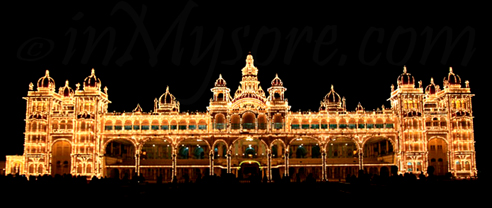
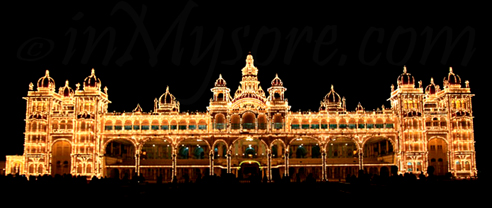
Is a palace situated in the centre of the city. It was the official residence of the former royal family of Mysore and also housed the durbar (royal offices).
Lalitha Mahal Is the second largest palace in Mysore. It is located near the Chamundi Hills, east of the city. The architect of this palace was E. W. Fritchley. The palace was built by Krishnaraja Wodeyar IV in 1921 for the exclusive stay of the
Viceroy of India. The palace is pure white in color and is built in the style of Italian palazzos with twin ionic columns and domes. It also has a sprawling terrace and landscaped gardens.
was built in 1861 by Krishnaraja Wodeyar III in a predominantly Hindu style to serve as an alternate palace for the royal family. This palace housed the royal family when the older Mysore Palace burned down due to a fire. The palace has three floors and has stained glass shutters and ventilators. It has housed the Sri Jayachamarajendra Art Gallery since the year 1915. The collections exhibited here include paintings from the famous Indian painter.
Jayalakshmi Vilas Mansion
was built in 1905 by Chamaraja Wodeyar for his eldest daughter, Jayalakshmi Devi. This mansion has three wings and contains a series of twin Corinthian and ionic columns, regal pediments, and oval ventilators. The mansion was originally built with a cost of Rs. 7 lakhs. This mansion was acquired by the Mysore University to house its post-graduate campus. It was then renovated in 2002 from funding provided by Infosys Foundation. The main hall in this mansion is the Kalyana Mantapa which has an eight-petal shaped dome with stained glass windows with a gold-plated Kalasha (tower) at the top. A new gallery called Writer's Gallery has been created in the Kalyana Mantapa hall that will exhibit personal items, photographs, awards and writings of renowned writers of Kannada. A special illumination system has also been added to this heritage structure. This mansion is said to be the first university museum complex in the country.
Museum
Mysore Sand Sculpture Museum: With 115 truckloads of sand and with more than 150 huge sculptures, this museum showcases more than 16 themes of the Heritage of Mysore.
Regional Museum of Natural History: This museum is located on the banks of the
Karanji lake in Mysore and has exhibits related to biological diversity, ecology, and geology of Southern India.
[5]is close to the palace city of Mysore. Its average elevation is 1,000 meters. A panoramic view of the city is seen from the top of the hills, including views of the Lalitha Mahal palace, Mysore Palace, Karanji and Kukkarahalli lakes.
is a church built in honor of
St. Philomena in the city of Mysore. It was constructed in 1956 using a
Neo Gothicstyle and its architecture was inspired by the
Cologne Cathedral in
Germany. In 1926, Sir T. Thumboo Chetty who was the Huzur Secretary to the
Maharaja of Mysore,
Nalvadi Krishnaraja Wodeyar, obtained a relic of the saint Philomena, after writing to Peter Pisani,
Apostolic Delegate of the
East Indies. This relic was handed over to Father Cochet who approached the king to assist him in constructing a church in honor of
St. Philomena. The Maharaja of Mysore laid the foundation stone of the church on 28 October 1933. In his speech on the day of the inauguration, the Maharaja is said to have quoted, "The new church will be strongly and securely built upon a double foundation — Divine compassion and the eager gratitude of men..." The construction of the church was completed under Bishop Rene Fuga's supervision. The relic of St. Philomena is preserved in a catacomb below the main altar.
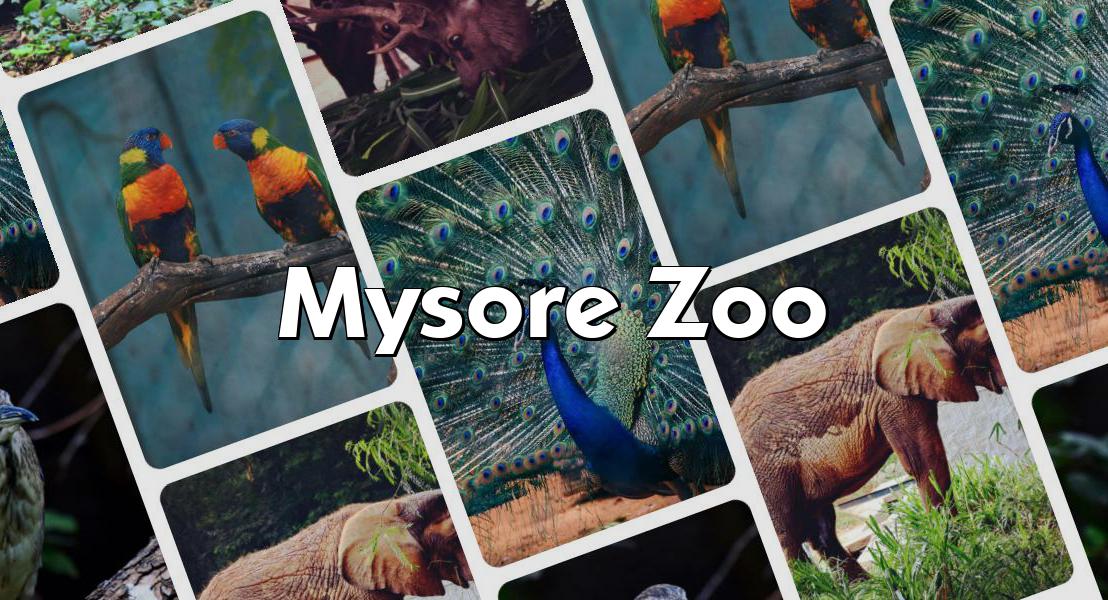
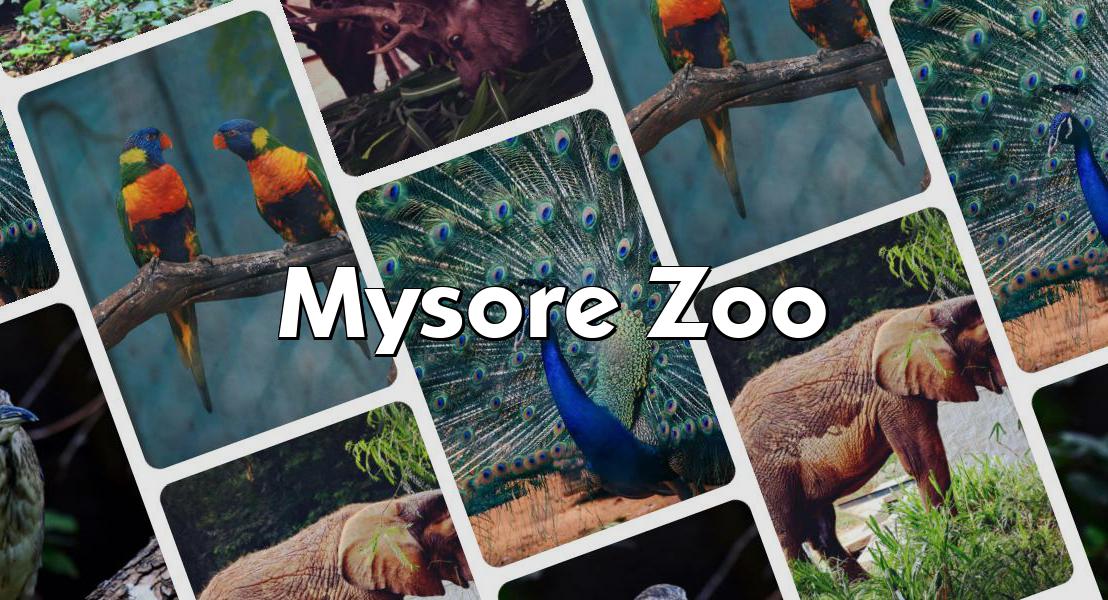
Mysore Zoo- is one of the oldest and most popular zoos in India. Located on the outskirts of Mysore, the zoo is home to a wide range of wild species. The official name for the zoo is Shri Chamarajendra Zoological Gardens, although it is known most commonly by its shortened name. Mysore Zoo is one of the city’s popular attractions. It was established under royal patronage in 1892, making it one of the oldest zoos in the world
- Ranganathittu Bird Sanctuary
- Mandya district is a small Bird Sanctuary,being only 0.67 km2. in area, and comprises six islets on the banks of the Kaveri River. The islets came into being when a dam across the Kaveri river was built in the 18th century. The ornithologist Dr. Salim Ali observed that the isles formed an important nesting ground for birds, and persuaded the Wodeyar kings of Mysore to declare the area a Wildlife sanctuary in 1940.The islands are host to numerous small mammals, including bonnet macaque, colonies of flying foxes, and common small mammals like the common palm civet, the Indian gray mongoose, and the monitor lizard. The mugger crocodile or marsh crocodile is a common inhabitant of the riverine reed beds. About 180 types of birds[10] have been observed here. Breeding water birds include the painted stork, Asian openbill stork, common spoonbill, woolly-necked stork, black-headed ibis, black-headed ibis, lesser whistling duck, Indian shag, stork-billed kingfisher, and other common birds like egrets, cormorants, Oriental darter, and herons. The great stone plover, and the river tern also nest here. The park is home to a large flock of streak-throated swallows.
- Krishna Raja Sagara Dam (KRS Dam), Mysore
- The Krishna Raja Sagara Dam (KRS Dam) was built across river Kaveri, the life giving river for the Mysore and Mandya districts, in 1924. Apart from being the main source of water for irrigation in the most fertile Mysore and Mandya, the reservoir is the main source of drinking water for all of Mysore city and almost the whole of Bangalore city, the capital of the state of Karnataka. The water released from this dam is further used as an important source of water in the state of Tamil Nadu, which has its own Mettur dam in the Salem district. The dam is named for the then ruler of the Mysore Kingdom, Krishnaraja Wodeyar IV. The Chief Engineer, Sir M. Vishveswaraya engineered the construction of the dam during the Wadeyar kings regime in 1932.
- Rehabilitation Centre for Birds
- Sage and seer, His Holiness Dr. Sri Ganapathy Sachchidananda Swamiji, the Founder of Avadhoota Datta Peetham, Mysore, India, is recognised far and wide for his extraordinary vision and compassionate heart. Sri Swamiji has established Shuka Vana (Parrot Park), a rehabilitation centre for birds in the serene premises of Sri Ganapathy Sachchidananda Ashrama. This park has numerous rare and colourful species of Parrots from the world over. Shuka Vana most importantly gives shelter to injured & uncared birds with a high degree of commitment and compassion. Sri Swamiji has taken a serious resolve to take care of physically challenged birds that are not receiving proper care with their owners who have lost interest in them.
Inclusion
* 100 Km Include in 12 Hr
* Driver batta Include
* Fuel charges Included
Exclusion
* Road Toll & Parking Etc. As Per Actual .
* All entrance fees charges will have to be borne by tourists.
* GST will be charged as per the Govt. rules on Gross billing amount.
* We provide transport at the scheduled time. If Guest are not able to visit sightseeing places well in time for any reasons, participate in local activities, etc., we are not responsible and no refund.
* Guide service can be organised at Rs:1750/- for full day.